Chick Care 101: Raising Healthy Chicks From Day One
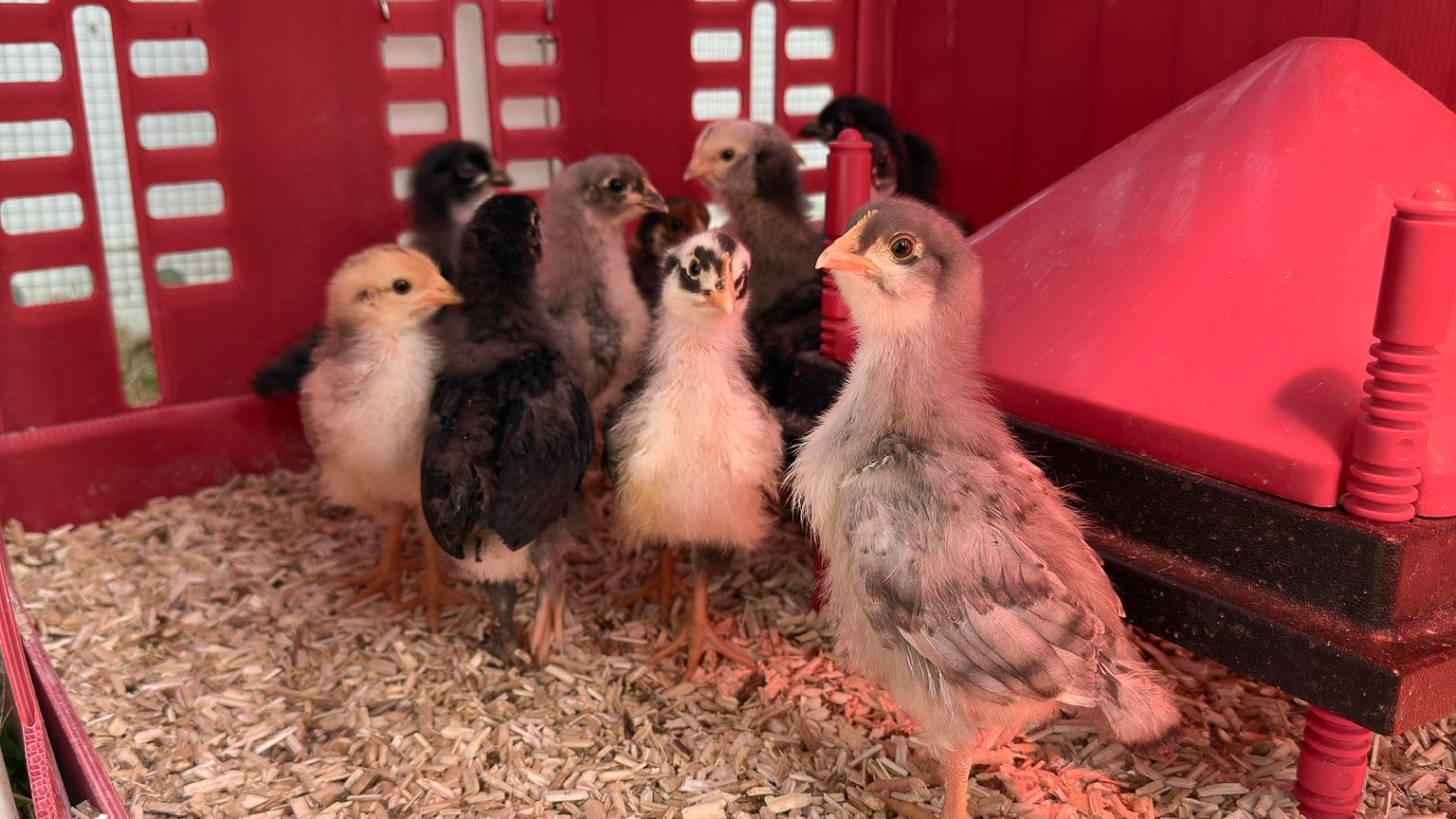
The only time of year I look forward to going to the post office is chick season.
Every year we add chicks to our flock. We love trying new breeds, and if we're being honest, chicks are just fun. But there's also a practical reason behind the chicken math.
If you've raised chickens for any length of time, you already know loss is part of it. Old age catches up with hens eventually. Illness moves fast if you're not watching for it. Predators take their share if you free range. That reality shapes how we approach every new batch of chicks.
We also raise our chicks in spring on purpose. Spring chicks often keep laying through their first winter, which helps us keep eggs in the basket when daylight hours drop and our older hens slow down.
Bringing home chicks is exciting. Raising healthy chicks is the goal. Here's what matters most in those first few weeks, plus answers to the questions we get asked most about chick care.
Start With the Brooder
Your brooder should be ready before your chicks ever arrive. That means:
- Dry
- Draft-free at chick level
- Properly heated
- Equipped with clean feeders and waterers
Moisture is the enemy in a brooder. Damp bedding creates the perfect conditions for disease to spread, especially coccidiosis.
Spot clean daily and deep clean weekly. Elevate feeders and waterers to cut down on mess. A strong start prevents most of the problems you'll run into later.
Feeding Chicks for Long-Term Health
Chicks need an 18 to 20 percent protein starter feed to support rapid growth and feather development.
If your chicks were vaccinated for coccidiosis, skip medicated feed. It interferes with vaccine effectiveness.
If they weren't vaccinated, prevention matters even more. Focus on:
- Clean bedding
- Proper protein
- Gradual exposure to soil
- Gut support through probiotics and oregano
Electrolytes help a lot during the first few days, especially if your chicks were shipped.
Around four weeks old, you can start introducing small treats along with chick grit. Scrambled eggs, chopped herbs, and black soldier fly larvae are all solid options.
Avoid bread, sugary foods, moldy feed, raw onion, tomato leaves, and avocado skin or pit. These can harm chicks or offer nothing nutritionally.
Watch for Coccidiosis
Coccidiosis is a parasitic disease that spreads through droppings and thrives in damp conditions. It's one of the most common threats to young chicks, and it moves fast.
Watch for:
- Lethargy
- A puffed-up appearance
- Bloody or watery droppings
- Loss of appetite
If you suspect coccidiosis, start Corid treatment right away and watch the entire group closely, not just the chick showing symptoms. Daily observation matters more than an elaborate setup and catching it early is what saves chicks.
Hydration Is Critical
Dehydration is one of the leading causes of early chick loss, and it's also one of the easiest to prevent.
Raise your waterers off the ground, skip open dishes, and change the water daily.
For shipped chicks, electrolytes during the first few days can make a real difference in how quickly they recover from the stress of transport.
When Can Chicks Go Outside?
Supervised outdoor time can start around three to four weeks old, as long as temperatures are mild and conditions are dry.
A permanent move to the coop should wait until chicks are fully feathered, usually between eight and twelve weeks.
If the coop is sitting empty, fully feathered chicks can move in as soon as temperatures allow. If you're integrating into an existing flock, feather development is only part of the equation. Pecking order and size differences need their own plan, or you'll end up with injuries.
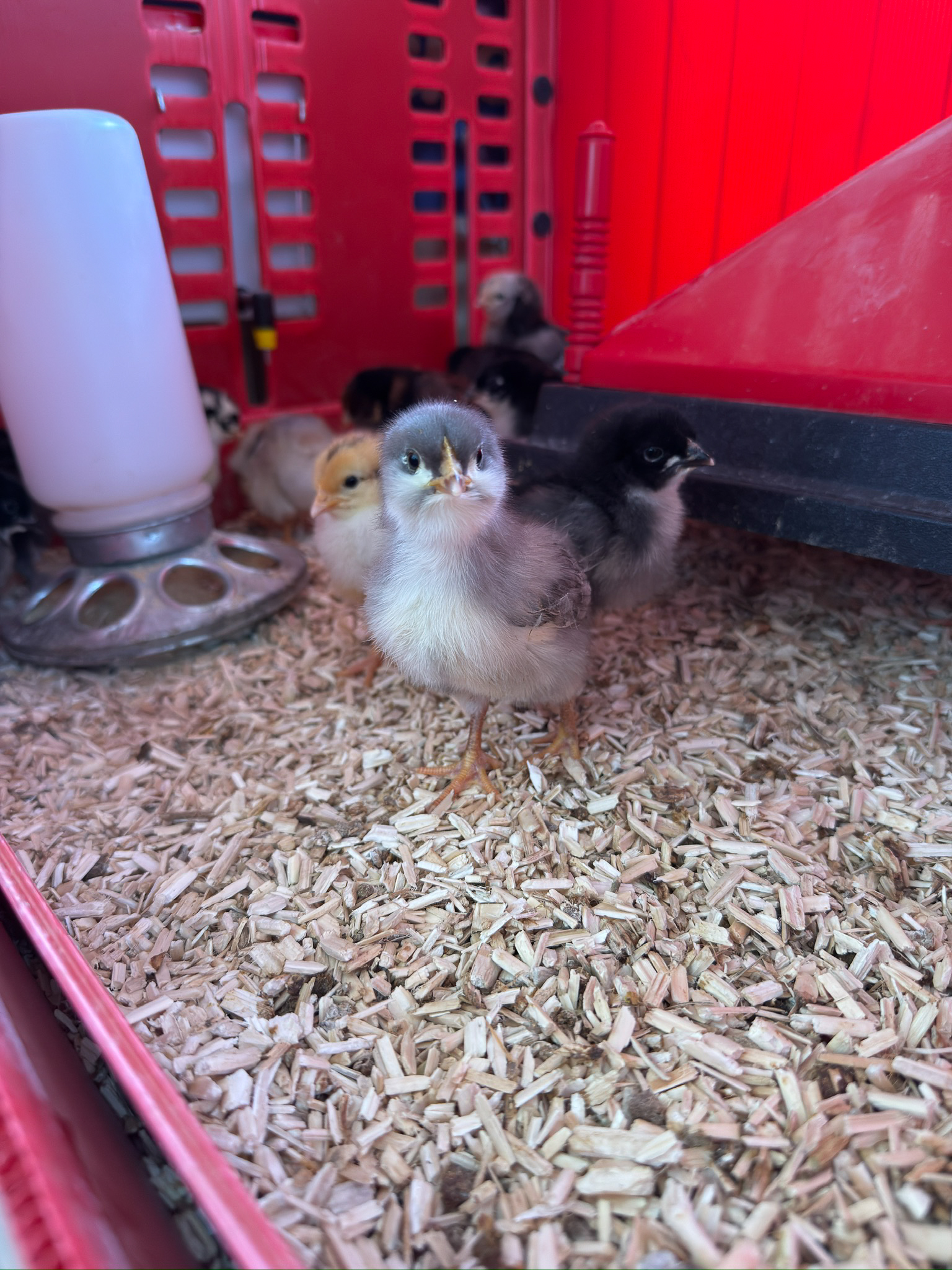
Frequently Asked Questions About Raising Baby Chicks
How long do chicks need a heat source?
Most chicks need supplemental heat until they're fully feathered, typically around six to eight weeks. Start around 95°F in the brooder for week one, and reduce by about 5°F each week as they grow in feathers.
How many chicks should I start with?
That depends on your goals and space, but keep in mind that loss happens even with great care. Many people start with a couple more chicks than their target flock size to account for it.
Can I use a heat plate instead of a heat lamp?
Yes. Radiant heat plates are a popular alternative to heat lamps. They reduce fire risk and let chicks warm up or move away as needed, which mimics how a mother hen would work.
What temperature should a brooder be?
Start at about 95°F for newly hatched chicks and lower it roughly 5°F per week until they're fully feathered and matching the surrounding temperature.
When can chicks eat regular chicken feed?
Chicks should stay on starter feed until about 8 weeks old, then transition to a layer feed closer to laying age, around 18 to 20 weeks.
Do chicks need grit?
Only if they're eating anything besides their starter feed, like treats or foraged food. Grit helps them digest anything that isn't a commercial feed.
Healthy Chicks Become Healthy Chickens
Raising strong chicks isn't complicated, but it does take consistency. Give them clean water, proper protein, dry bedding, and daily attention. Those four things prevent most of the problems that cause chick loss.
Before chick season starts, put together a basic emergency kit. You'll want it ready before you need it, not after.