Chickens Molting? What to Expect and How to Help Your Flock
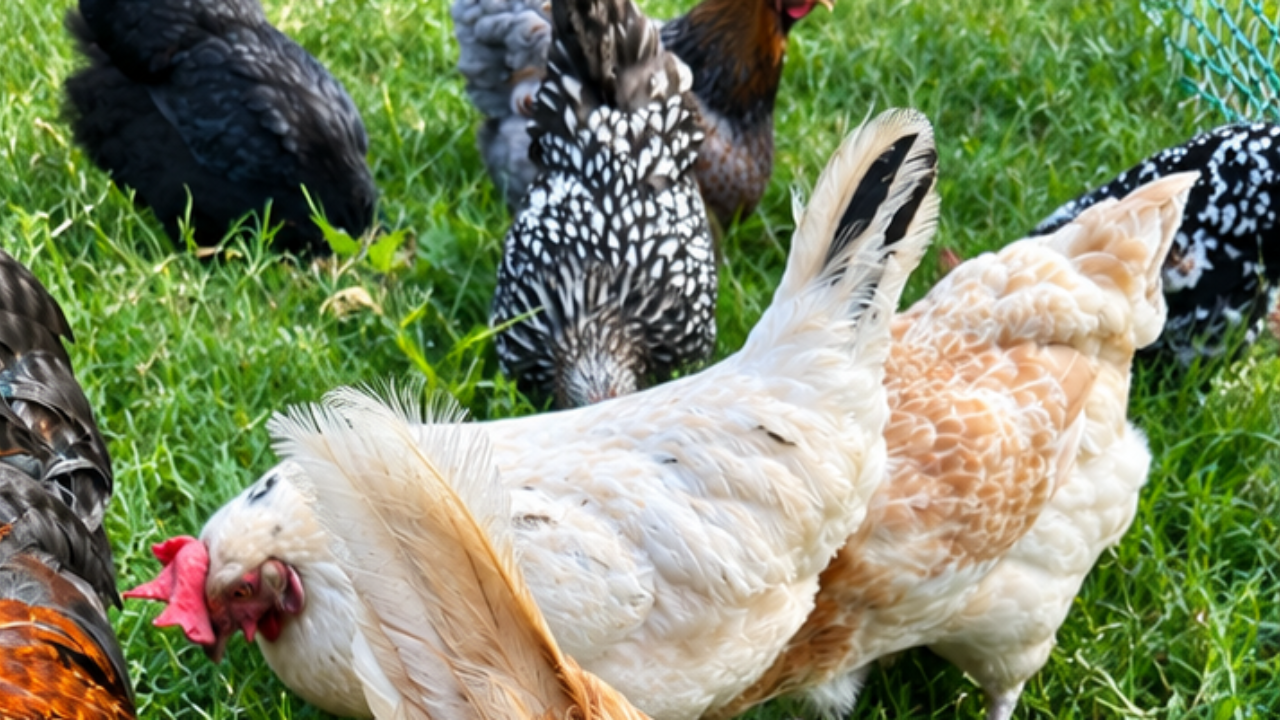
Have you noticed feathers piling up in the coop or your hens looking a little rough around the edges? It might be molting, a seasonal change that often surprises new chicken keepers.
Molting is a natural, healthy process. Chickens shed their old, worn feathers and grow in new ones. While they will look scruffy for a few weeks, this is your flock getting ready for the colder months ahead. Understanding chicken molting, what causes it, when it happens, and how to support your birds through it, makes this season a lot less worrisome to watch.
We go through this with our own flock here at Cotton River Farm every fall, and we have picked up a few things along the way about what helps and what does not.
What We've Learned About Chicken Molting on Our Own Farm
Every year around late summer, we start seeing feathers collecting in the corners of the run, and our hens go from beautiful to scruffy within days.
Molting gives your flock the chance to replace feathers that have been damaged by sun, dust, and everyday wear. New feathers keep your birds warmer and drier once the weather turns, so as rough as it looks in the moment, this process is extremely important to prepare for the coming winter weather.
What Does a Molting Chicken Look Like?
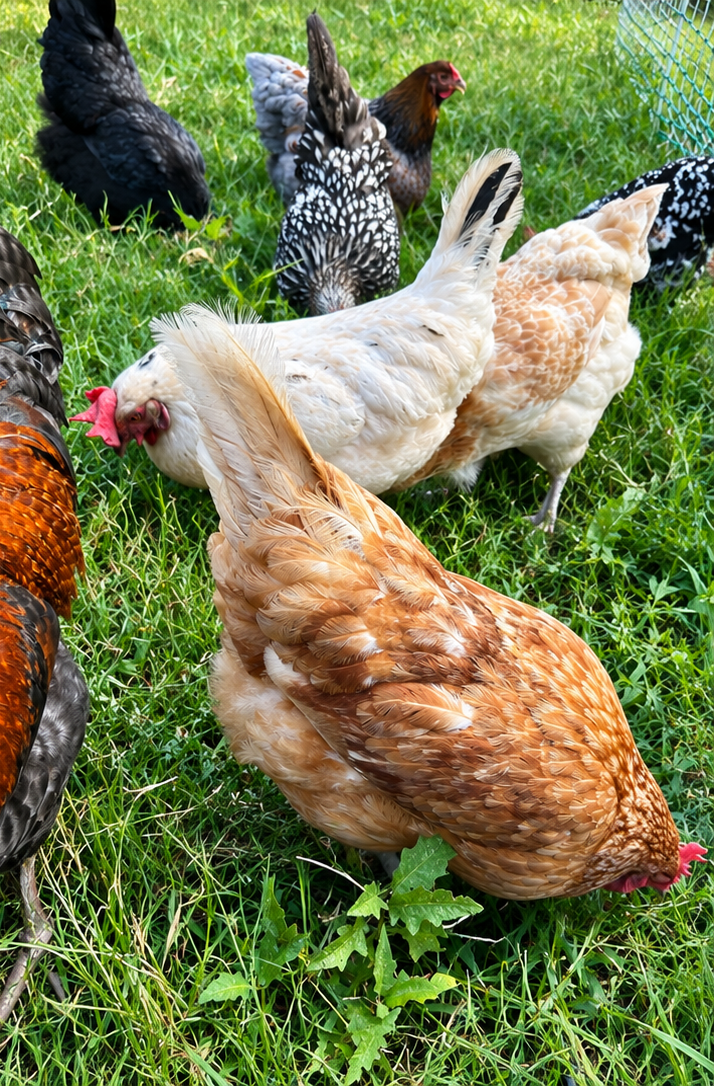
A molting chicken usually looks patchy rather than smooth, with bare or thin spots around the neck, chest, back, or tail. You will likely see loose feathers scattered across the coop floor and run, sometimes enough that it looks like something got into the flock overnight. Pin feathers, the new feathers coming in, look like short, waxy quills poking through the skin before they unfurl.
Some birds molt gradually and barely slow down. Others drop feathers fast and look nearly bald in patches for a week or two. Both can be normal. The main things to watch for are bare skin that looks irritated, bleeding, or limited to just one bird, since that points to something other than molting (more on that in the FAQ section below).
When Chickens Start Molting
Most chickens go through their first full molt around 18 months old, typically in late summer or early fall as daylight hours shorten. Younger birds often go through a smaller "mini molt" earlier on, as they trade chick down for adult feathers. Once your flock reaches its second year and beyond, expect the annual molt to show up more dramatically each fall.
Timing shifts a bit from bird to bird based on breed, stress, nutrition, and how much daylight they are getting. Some hens lose feathers in patches over several weeks. Others seem to drop everything at once.
Chicken Molting Behavior: What's Normal to See
Along with the feather loss, you may notice your hens acting a little different. It is common for molting chickens to slow down, act quieter, or seem less interested in socializing with the rest of the flock. Molting takes a lot of energy and protein, so your birds are putting their resources toward growing feathers instead of their usual routine.
This is also when chickens tend to get more sensitive about being handled, especially around new pin feathers, which are tender and can bleed if they get bumped or pecked. A quieter, more withdrawn hen during molting season is not usually a sign something is wrong. It usually just means her body is busy.
High Protein Foods for Molting Chickens
Feathers are made almost entirely of keratin, a protein, so your flock needs more protein than usual to rebuild what they have lost. Every year in late August, we switch everyone to Nutrena's Feather Fixer Feed to support feather growth and start offering high-protein treats a few times a week, on top of their regular feed.
A few of our flock's favorite treats:
-
Black soldier fly larvae (higher in protein and calcium than mealworms)
-
Scrambled eggs
-
Mealworms
-
Bean sprouts
-
Canned tuna (unsalted, all-natural)
These changes give your chickens the extra fuel their bodies need to grow feathers back faster and stay healthy while they do it.
Chicken Molting in Winter vs. Summer
Most flocks molt in late summer through fall, timed to daylight changes so new feathers are in place before winter weather hits. It is less common, but chickens can molt in winter, especially younger birds going through a mini molt or flocks under added stress like illness, a recent move, or a change in flock members. A chicken molting in winter needs extra protection from the cold since she has fewer feathers for insulation, so keep a closer eye on the coop's draft protection during that stretch.
How to Support Your Flock Through It
Create a Calm Environment
Try to avoid adding new birds or rearranging the coop during molting season. Give your flock a little extra space if you can, so no one is getting pecked or crowded while they are already uncomfortable. Keep handling to a minimum, especially around those tender pin feathers.
Add Helpful Supplements
Molting puts real stress on your chickens' systems, so this is a good time to lean on supportive extras like balanced feed, vitamins, probiotics, or electrolytes. We use Feather Fixer by Nutrena, a feed built with extra protein to help feathers grow back faster.
Chicken Molting FAQs (What Keepers Ask Us Most)
How long does chicken molting last?
Most molts run 4 to 16 weeks from start to finish. Where your flock falls in that range depends on breed, age, health, and how intense the molt is.
Do all chickens stop laying during molting?
Most hens slow down or stop laying completely while they molt, since their body is putting its resources toward feather growth instead of egg production. Laying typically picks back up once a hen is fully feathered again.
Is it chicken molting or mites?
If feather loss shows up gradually across your whole flock, especially in late summer or fall, it is most likely molting. If you are seeing bleeding, red or irritated skin, or feather loss limited to a single bird, check for mites, lice, or pecking injuries instead. Molting on its own should not cause bleeding or visible skin irritation.
When do chickens molt for the first time?
Chickens typically go through their first full molt around 18 months old. Younger birds may go through a lighter mini molt around 8 to 12 weeks as they grow their adult feathers.
Give Them a Little Grace This Season
Chicken molting can look dramatic while it is happening, but it is nothing to worry about. It is your flock's way of resetting before winter. Offer extra protein, keep stress low, and give their health some support with simple, consistent changes, and your scruffy chickens will be back to fully feathered in a matter of weeks.