Do Chickens Need Heat in the Winter? Our Honest Answer
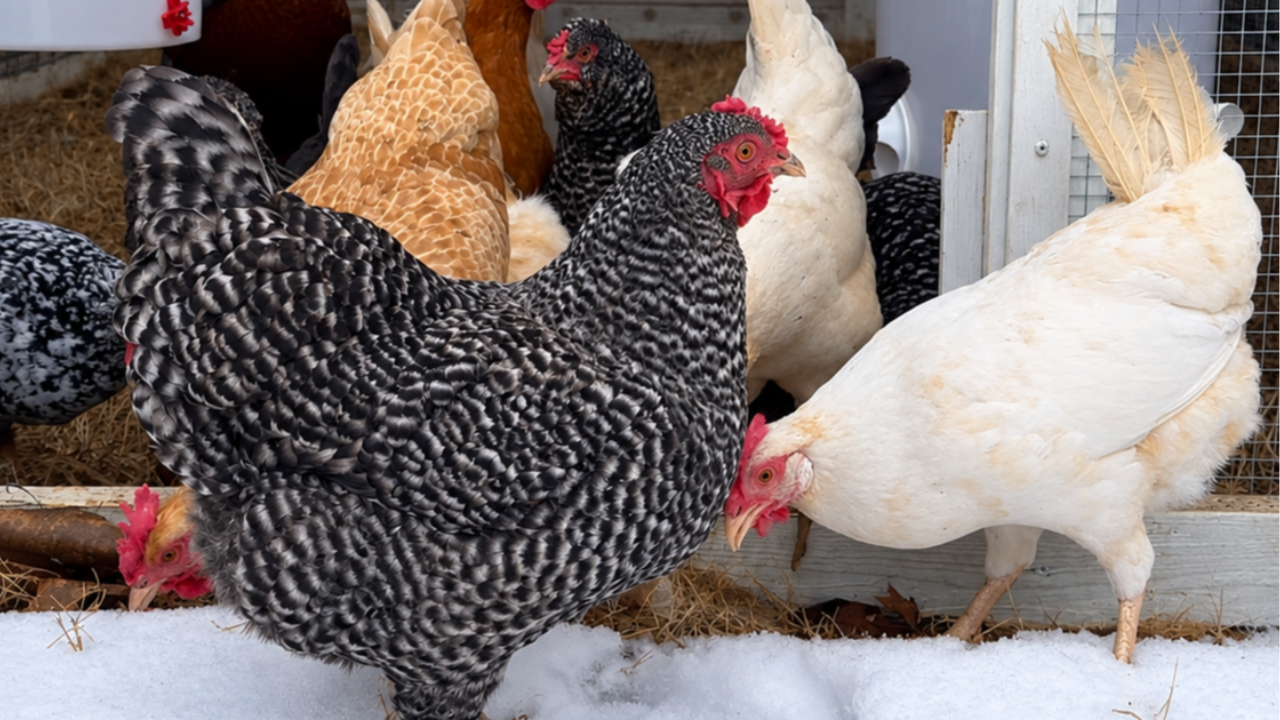
Every fall, once the nights start getting cold, we get some version of the same question: should you put a heat lamp in the coop? It usually comes from a good place, nobody wants their flock to be cold. But the honest answer is no, and in most cases, adding heat causes more problems than it solves.
We get asked this every year here at Cotton River Farm and every year our answer stays the same. Do chickens need heat in the winter? Almost never, and once you understand what is actually keeping them warm, you will probably feel a lot better about leaving the heat lamp in the garage.
Why We Don't Add Heat to Our Coop in Winter
Many chicken breeds are well suited to cold weather and can handle winter all on their own. They fluff up their feathers to trap warm air against their bodies. As the temperature drops through fall, their bodies adjust gradually, growing in a heavier layer of down and getting used to the cold in stages.
Skipping the heat lamp is not us being careless with our birds. It is the choice that actually keeps them safer.
Do Chickens Need a Heat Lamp?
Almost every year, a heat lamp is the first thing new chicken keepers reach for once the weather turns. It feels like the caring thing to do, but a heat lamp inside a wooden coop full of dry bedding is a real fire risk. Extension cords running out to the coop, dust in the air, and feathers everywhere are exactly the conditions a fire needs, which is why so many chicken keeping forums and extension offices warn against heat lamps specifically.
Beyond the fire risk, heat lamps work against what your chickens' bodies are already doing well on their own. Their feathers are doing the insulating and this just interrupts the process that already works.
What Happens When a Coop Gets Too Warm
This is the part that surprises people most. If the inside of your coop is much warmer than the air outside, your chickens do not get a break from the cold, they get a harder version of it. They step outside into real winter temperatures after standing next to a heat source and their bodies have not acclimated the way they would have without it. That sudden swing is harder on them than a steady, gradually colder coop ever would be.
Heat also raises humidity, especially in a coop that is not ventilated well enough to let that extra moisture escape. That combination of heat and trapped humidity is what actually drives frostbite risk up, not the cold air outside. A coop that stays close to the outside temperature, just blocked from direct wind, lets your flock's own natural adjustment do its job.
How to Keep Chickens Warm Without Electricity
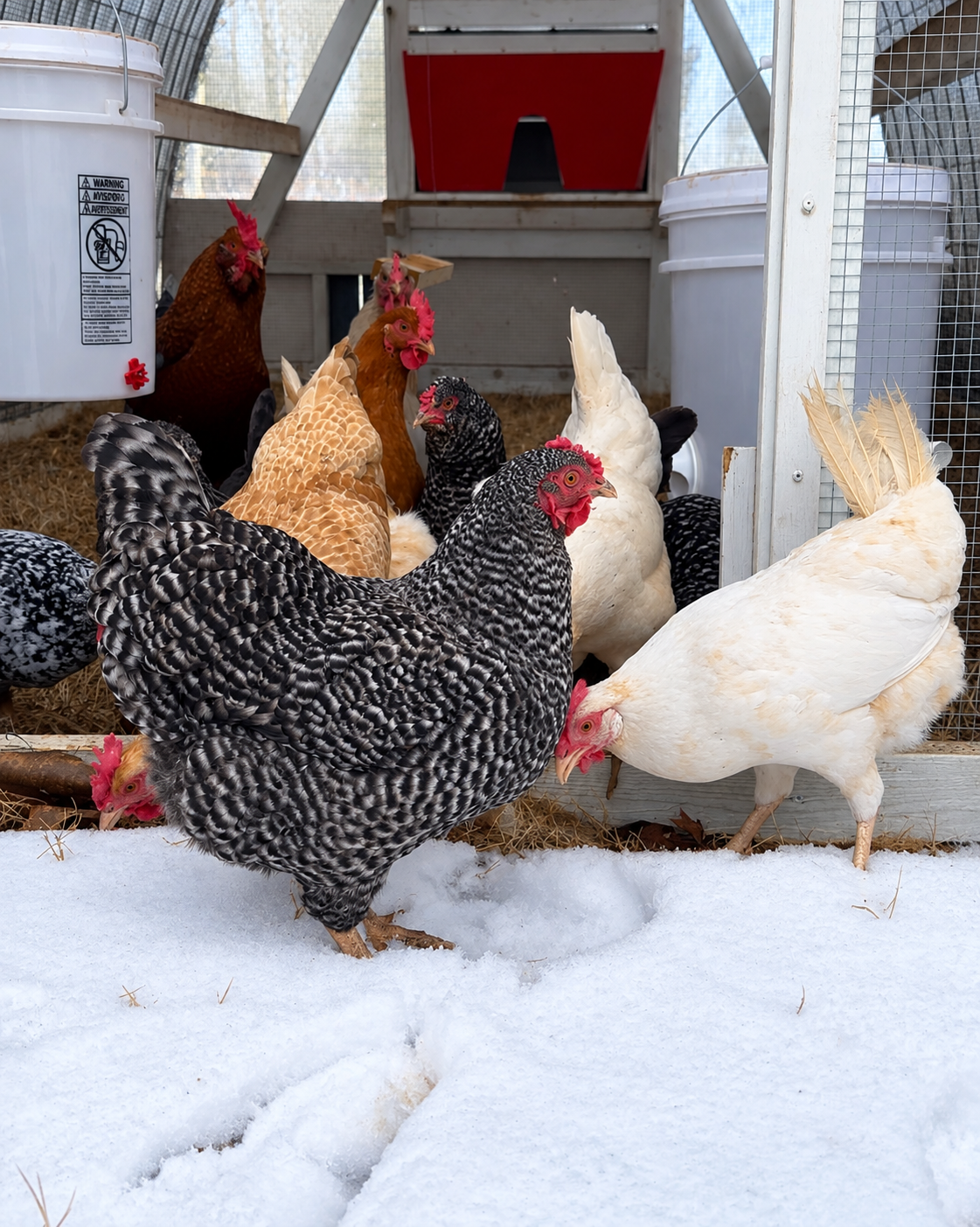
Instead of adding heat to the coop, we reach for a much simpler solution.
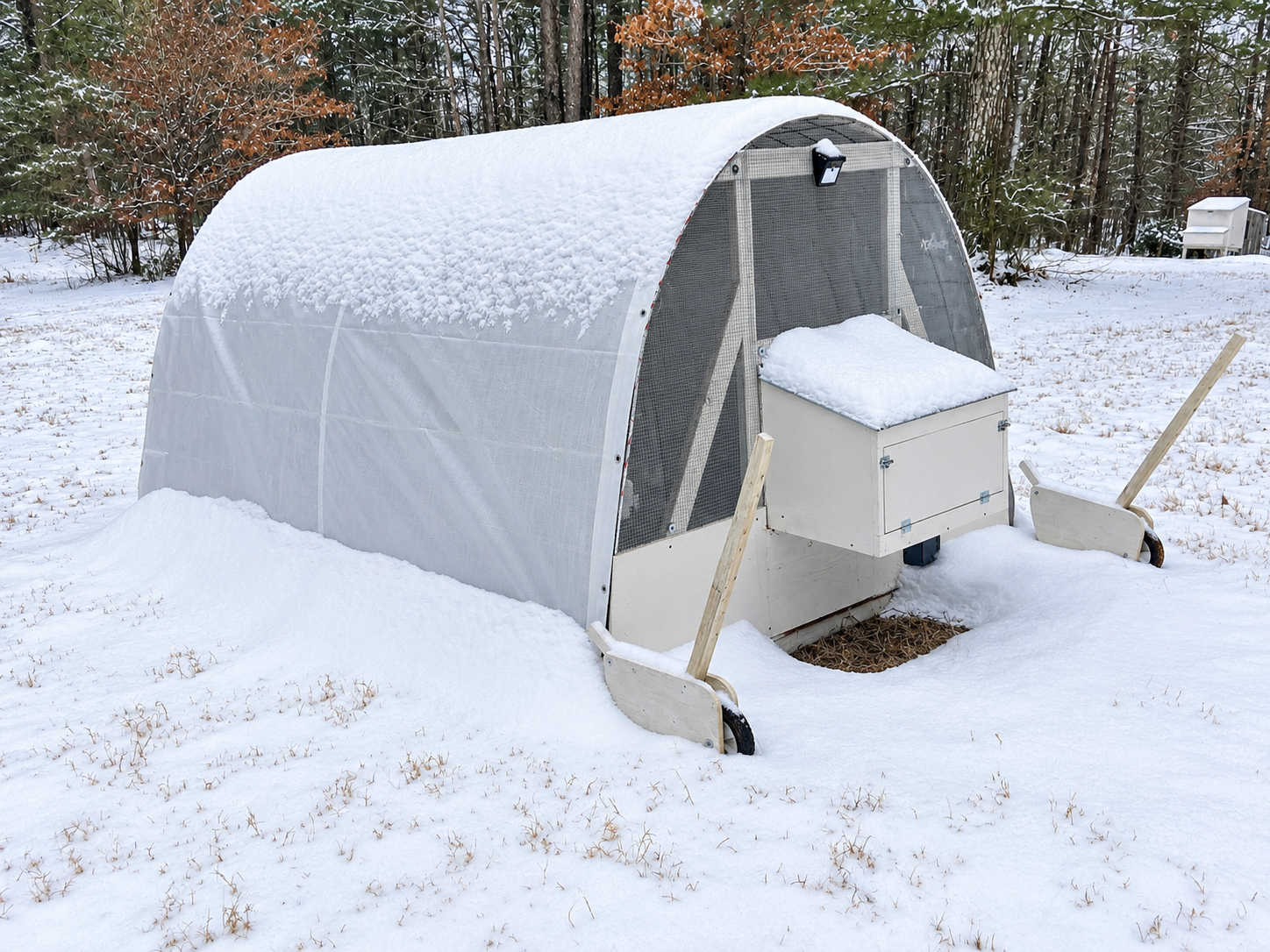
We block direct wind exposure rather than sealing the coop up tight. On our hoop coop, that means a polycarbonate panel on the end wall. It is lightweight, it holds up across seasons, and it is a lot easier to manage than tarps, which tend to flap, tear, and trap moisture underneath.
We also move our coop during winter, which works well for us since we do not deal with much snow or ice here compared to our northern neighbors. If you are in a colder, snowier climate, leaving the coop stationary for winter and building up a deep bedding base is usually the better approach. Either way, the goal is the same: block the wind without trapping in moisture.
Remember to keep the coop dry when using the deep litter method, which builds up a layer of bedding that composts slightly and gives off a small amount of natural warmth from the bottom up. Moisture, not cold, is the real threat in winter. A humid coop is what leads to frostbite, not a cold one.
We keep ventilation open even in the coldest weather. It feels counterintuitive to leave openings uncovered when it is freezing outside, but trapped moisture from breathing and droppings is worse for your flock than fresh, cold air moving through. Chickens also have sensitive respiratory systems, so ammonia buildup from droppings combined with poor airflow is its own hazard, on top of the moisture and frostbite risk.
We do give the flock a little extra scratch grain or cracked corn in the evening. Digesting it generates body heat overnight, which works with their biology instead of trying to override it with an external heat source.
If you want to see exactly how we set this up on our own hoop coop, you can find more information here: How we winterize our hoop coop.
Which Breeds Need Extra Winter Attention
Most standard breeds handle cold weather well once they are acclimated. Orpingtons, Wyandottes, and Australorps are especially good choices for cold climates., Small combs and wattles are the main trait to look for if you live in a cold weather climate, since that is what actually reduces frostbite risk. Silkies are the opposite case, their heavy, fluffy feathering looks warm but does not hold up well in real cold, so they need extra attention if you keep them.
Comb size matters more than breed size when it comes to frostbite risk, so know what your specific birds are working with before winter hits. If you are still choosing breeds for your flock, we go into this in more detail in our guide to picking chicken breeds.
Winter Chicken Heat FAQs
Do chickens need a heat lamp in the winter?
In most climates, no. Chickens grow a heavier layer of down and adjust to dropping temperatures gradually through fall. Heat lamps carry a real fire risk and can actually make it harder for chickens to handle real cold once they step outside.
How cold is too cold for chickens?
Most healthy, fully feathered chickens handle temperatures well below freezing without extra heat. The bigger risk factors are wind exposure, damp bedding, and comb type, rather than the temperature number itself.
What can I use instead of a heat lamp?
Wind-blocking panels, the deep litter method for warm, dry bedding, good ventilation to control moisture, and a little extra scratch grain in the evening for digestive body heat all work with your flock's natural insulation instead of against it.
Will my chickens' eggs freeze in winter?
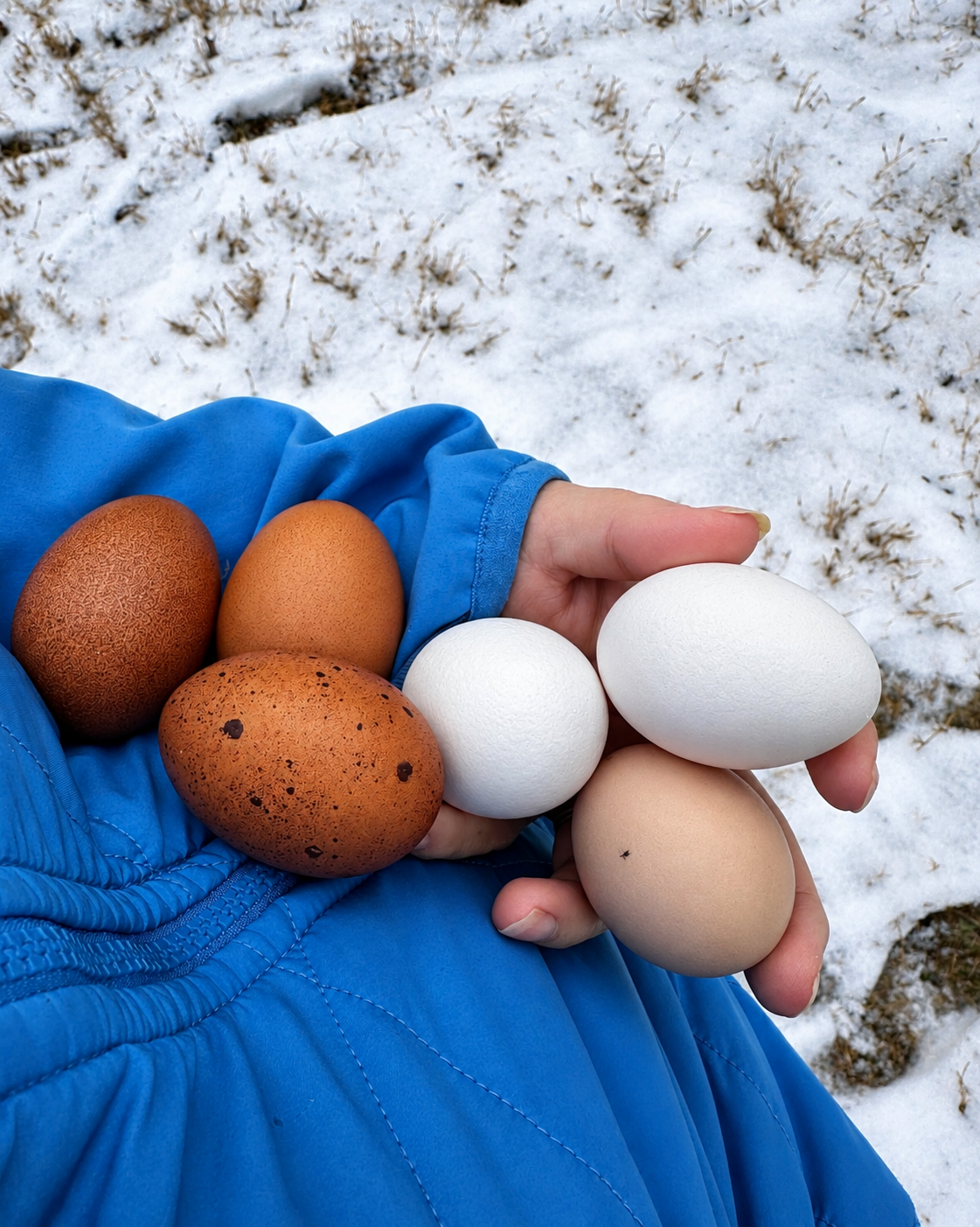
They can, if temperatures drop low enough and eggs sit in the nesting box for a while before collection. Collecting eggs more often during cold snaps is the simplest fix, no heat source required.
The Short Answer
So, do chickens need heat in the winter? Almost never. Focus on blocking wind, controlling moisture, and letting your flock's own feathers do the job they are built for, and your birds will come through winter just fine without a heat lamp anywhere near the coop.