How to Prevent Coccidiosis in Chicks (Without Overcomplicating It)
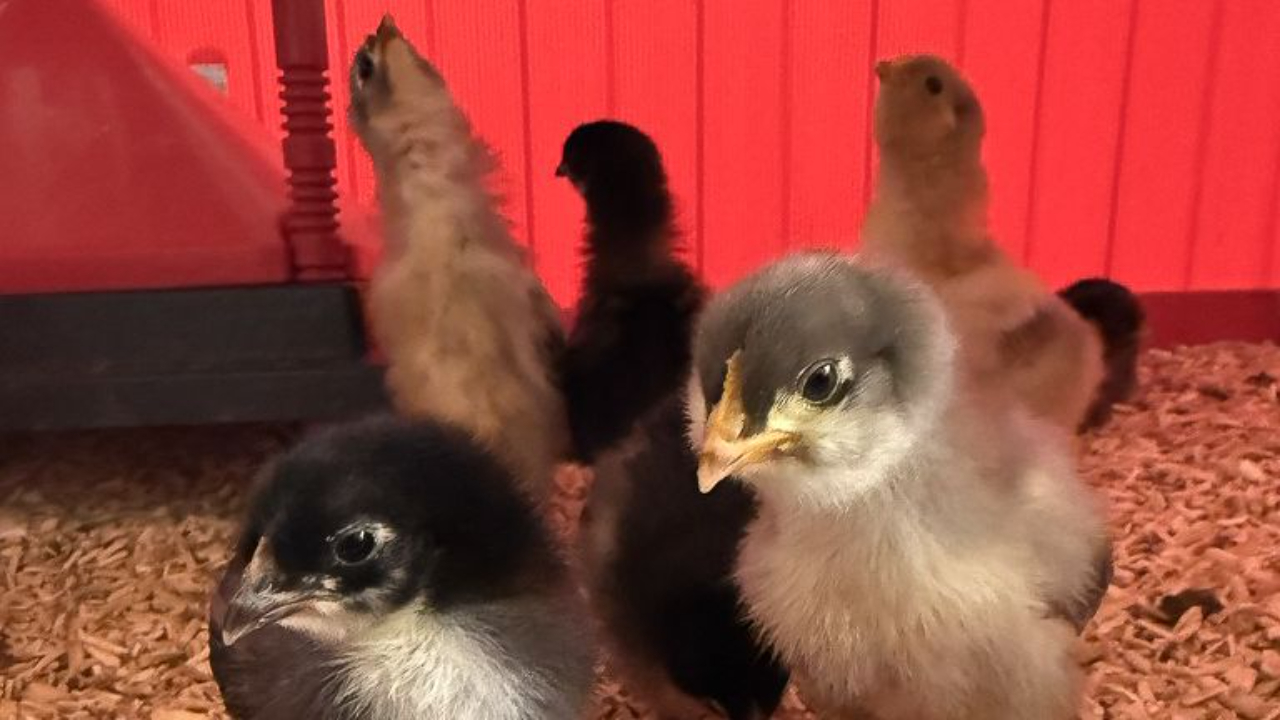
Coccidiosis is one of the most common health problems in young chicks. It's also one of the most preventable, once you understand how it spreads.
Coccidiosis is a parasite that lives in a chick's intestinal tract. It spreads through droppings and multiplies fast in damp, dirty conditions. This is why your brooder setup matters more than almost anything else in the first few weeks.
If you're bringing chicks home this season, here's what you need to know.
What Causes Coccidiosis in Chicks
Chicks get coccidiosis by ingesting parasite eggs from contaminated bedding, feed, or water.
Moisture drives the problem. Wet bedding, spilled water, overcrowding, and poor ventilation all create the conditions this parasite needs to spread. If you manage moisture, you prevent most cases before they start.
Signs of Coccidiosis
Watch your chicks closely during the first few weeks. Early signs include:
- Lethargy
- A puffed-up appearance
- Loss of appetite
- Refusal to drink
- Bloody or watery droppings
If you see bloody droppings, act immediately. Don't wait to see if it clears up on its own.
Medicated vs Non-Medicated Chick Starter
This is one of the most common questions new chick owners ask.
If your chicks were vaccinated for coccidiosis, skip medicated feed. It cancels out the vaccine.
If your chicks weren't vaccinated, you have two options:
- Use a medicated starter feed to limit how fast the parasite multiplies.
- Rely on prevention through brooder management and nutrition.
I use the second approach. I don't vaccinate my chicks for coccidiosis. Instead, I focus on clean bedding, proper protein, and gradual soil exposure. Neither approach is wrong. Pick one and stay consistent with it.
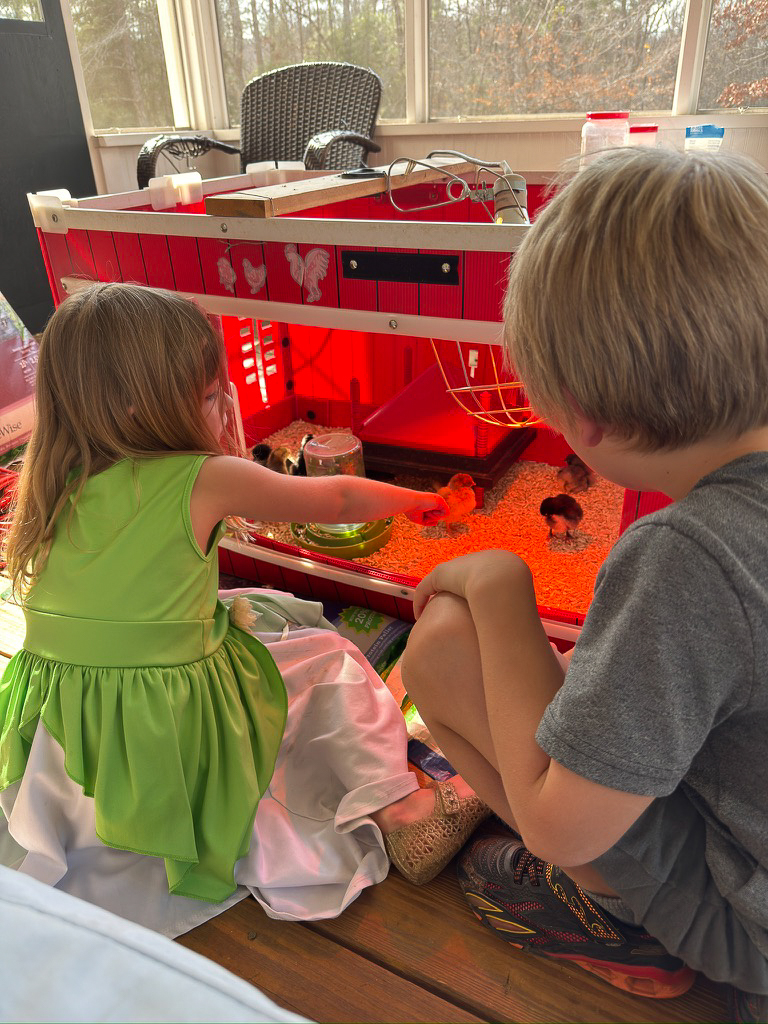
Practical Ways to Prevent Coccidiosis
Keep the brooder clean and dry. Spot clean every day and fully replace the bedding once a week or when heavily soiled.
Raise your waterers on a brick or stand. This cuts down on spillage, one of the biggest sources of moisture.
Don't overcrowd the brooder. More birds in a small space means more contamination, faster.
Feed a high-quality starter that supports gut health. Look for feeds with oregano and probiotics as both help strengthen the gut, which is their first line of defense for the immune system.
As your chicks grow, let them have small amounts of supervised outdoor time on soil. Controlled exposure like this helps them build natural resistance.
What to Do If You Suspect Coccidiosis
If you see bloody droppings or a chick that seems unusually weak, start Corid treatment right away. Follow the dosage instructions exactly.
Watch the whole group, not just the sick chick. Fix whatever environmental issue caused it. If the bedding was wet, dry it out. If the brooder was crowded, thin it out.
Prevention is easier than treatment. But if you catch it early, most chicks recover well.
Healthy chicks start with a clean environment.
Frequently Asked Questions About Coccidiosis in Chicks
Is coccidiosis contagious to other chicks?
Yes. It spreads through droppings. If one chick has it, treat and monitor the entire flock.
Can chicks survive coccidiosis?
Many chicks can recover if you catch it early and treat with Corid. That number depends on the strain and how early you catch it.
How long does Corid treatment take?
Typical treatment runs 5 to 7 days. This is approximate. Check the label on your specific product and follow it exactly, since concentrations vary by brand.
Can humans get coccidiosis from chickens?
No. The coccidia species that infects chickens is host-specific to poultry. It does not infect humans.
Do I need to vaccinate my chicks for coccidiosis?
No, it's optional. Vaccination and medicated feed are two different prevention methods. Don't combine them. Pick one and stick with it.